
MSO/MEO Channel Management
Run one commerce platform across separate worlds.
Sibling brands. Different states or business units. One platform.
Multi-State and Multi-Entity Operators have the Storefront keys to entities
Replicate one brand across multiple jurisdictions. Run distinct brands or business models side by side. Same architecture; different use case.
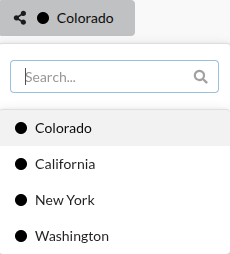
Brand integrity across state lines
Replicate one identity across multiple state-bounded storefronts. Brand stays consistent, but each state's instance respects its own pricing, inventory pool, and regulatory regime.
Distinct entities under one operator
Run sibling brands or different commerce models from one operational core. B2B and B2C side by side, two brands under one parent — each entity gets its own commerce surface, customer base, and pricing logic.
Stand up new entities fast
Launching a new state, province, a new brand, or a new business commerce model takes days, not months. The platform's already there. New entities inherit the operational backbone — you're configuring sovereignty, not building from scratch.
Catalogue
Each entity has its own catalogue, pricing, branding, taxation, and hostname. Products scope to the entity that owns them. Overlap is opt-in — products move across entities only when the operator includes them deliberately.
Customers + accounts
Customer accounts belong to entities, not the parent. Order history, contact data, loyalty, account hierarchies — all scope-locked to the storefront where the relationship lives.
Compliance
Each entity carries its own regulatory scope — state regs, license types, age verification, lot-level traceability — without cross-entity bleed. Audit trails stay clean per entity.
Finance
Each entity reports its own P&L, tax position, and reconciliation. The parent sees the consolidated picture when it needs to. No mixing of revenue or margin across entities.